Why Strength Training Matters at Every Stage of Life
Why Strength Training Matters at Every Stage of Life
When most people think about fitness, they think about burning calories, losing weight, or
doing more.
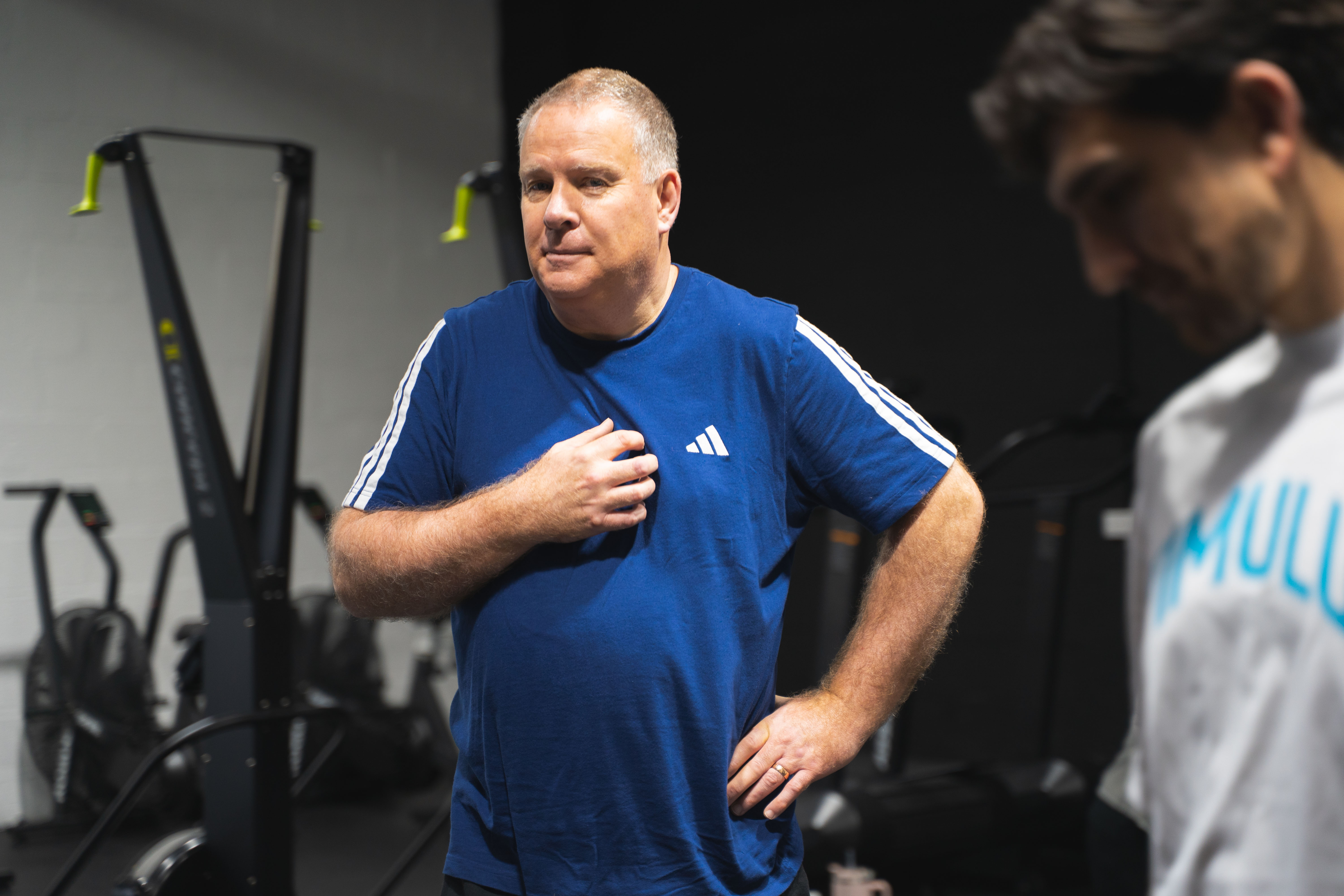
At Stimulus Personal Training in Milton Keynes, we take a different approach.
We focus on strength training—not just to improve how you look, but to improve how you live. Because strength isn’t just about the gym. It’s about being capable, resilient, and prepared for the demands of life.
The reality is this:
Strength training becomes more important as you get older—not less.
Here’s why it matters at every stage of life.
Strength Training in Your 20s (20–30)
Your 20s are where you build your foundation.
This is the stage where your body is naturally at its strongest and most responsive. But it’s also where habits are formed—good or bad.
Why it matters:
You'll likely reach peak muscle mass in your late 20s
Strength training improves bone density early (reducing future osteoporosis risk)
Builds movement quality and reduces injury risk
Supports mental health, stress management, and confidence
For both men and women, this is your opportunity to build strength that carries forward into later life.
At Stimulus, we often talk to people in this age group falling into extremes—overtraining, under-eating, or chasing aesthetics over health.
The goal here isn’t to burn out.
It’s to build properly.
Strength Training in Your 30s–50s
This is where life gets busy.
Careers, families, stress, and time pressure all increase—while your body starts to change.
From your 30s onwards, you can begin to lose 3–8% of muscle mass per decade if you’re not actively maintaining it.
Why it matters:
Preserves muscle mass and strength
Supports metabolism (helping manage body fat)
Improves energy levels and reduces fatigue
Reduces risk of injury and chronic pain
Helps manage stress and mental wellbeing
For women, this stage is especially important due to hormonal changes, particularly around perimenopause and menopause.
Strength training helps:
Maintain bone density
Improve body composition
Support joint health
Reduce risk of osteoporosis
For men, testosterone levels begin to gradually decline, which can affect:
Muscle mass
Energy
Recovery
Strength training becomes key to maintaining performance without sacrificing health.
At Stimulus, this is where our approach matters most—because this stage of life requires structure, balance, and sustainability, not extremes.
Strength Training Over 50 (50+)
This is where strength training becomes even more essential—never optional.
After 50, muscle loss (known as sarcopenia) accelerates, and strength becomes directly linked to independence and quality of life.
Why it matters:
Maintains mobility and balance
Reduces risk of falls (a leading cause of injury in older adults)
Preserves independence in daily life
Supports bone health and reduces fracture risk
Improves overall lifespan and healthspan
Research consistently shows that people who strength train regularly in later life:
Stay independent for longer
Experience fewer injuries
Have a higher quality of life
For both men and women, this stage is about one thing:
Staying capable.
Not just in the gym—but in everyday life.
Built for Life
At Stimulus, we don’t see strength training as a phase.
We see it as a lifelong tool.
Whether you’re in your 20s building your base, your 40s managing a busy life, or your 60s maintaining independence—the goal stays the same:
Built for life.
Strength training gives you the ability to handle what life throws at you—physically and mentally.
Start Strength Training in Milton Keynes
If you’re looking forpersonal training in Milton Keynesor a supportivegym in Bletchley, we’re here to help you train properly—for the long term.
📍Unit W70, Bletchley Business Park, Milton Keynes, MK2 3HU
AtStimulus Personal Training, we offer small group coaching designed to help you build strength safely, effectively, and sustainably.
📩 Email:[email protected]
📱 Instagram:@Stimulus_HQ
Stop starting over. Start building something that lasts.


